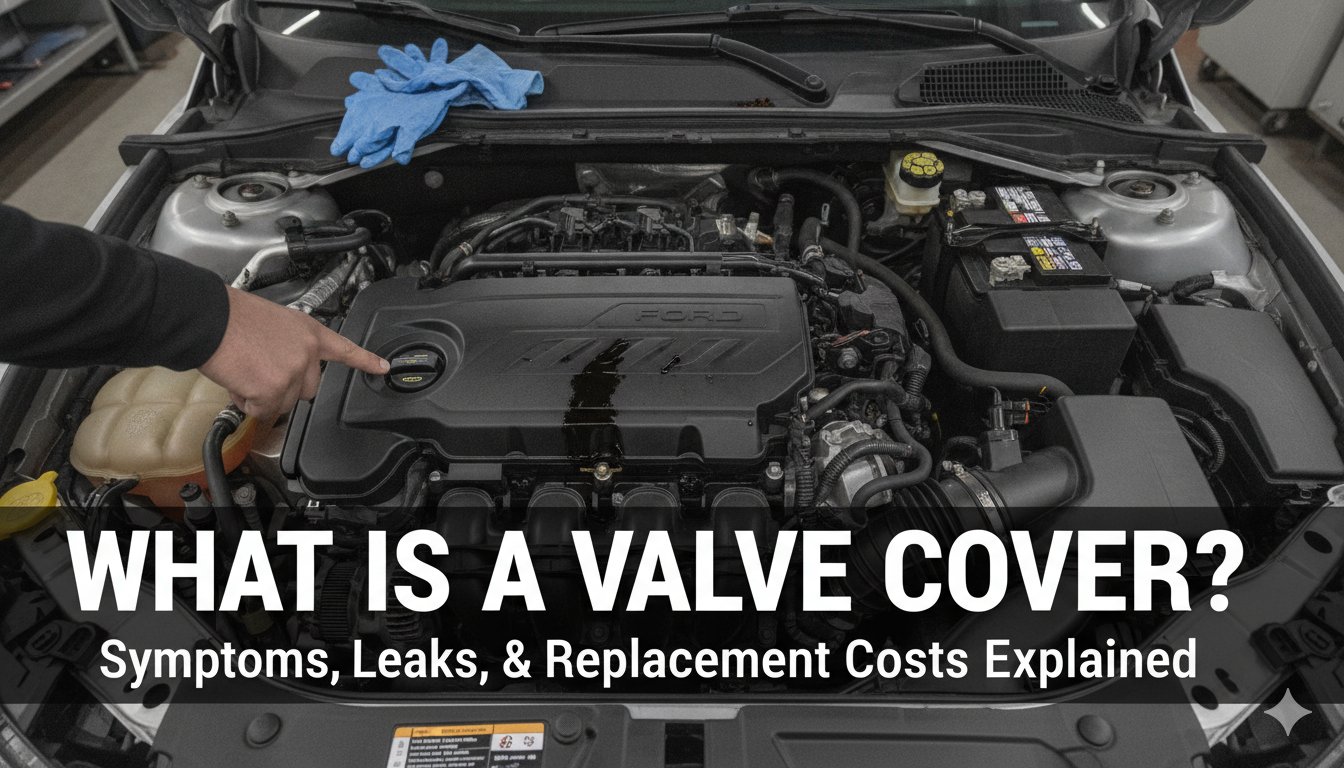
Every time you turn the key in your car, a lot of fast moving parts spring to life under the hood. One of the most important protective shields inside your engine bay is the valve cover. It might just look like a metal or plastic lid, but it plays a huge role in keeping your car running smoothly. Without it, your engine would quickly lose its vital fluids and suffer from major friction damage.
Think of this part as a protective roof for the top of your motor. It seals in the engine oil that lubricates all the fast-moving pieces inside. Because it sits right on top, it deals with a lot of heat and pressure every single day. Over time, the parts that seal this lid can wear out and cause some messy problems for drivers. Understanding how this part works can save you a lot of money and keep your car healthy for years.
What Exactly is a Valve Cover?
The valve cover is a sturdy lid that bolts directly onto the very top of your car engine. Its main job is to protect the delicate parts that control how fuel and air enter your motor. These parts are called valves, and they move up and down thousands of times every single minute. The cover keeps dirt, dust, and moisture away from these fast-moving components so they do not get damaged.
Another main job of this metal or plastic piece is to keep your engine oil exactly where it belongs. Oil splashes around violently at the top of the engine to keep everything slippery and cool. The valve cover acts like a shield that blocks this oil from spraying all over your hot engine bay. If you remove this lid, you would see the mechanical heart of your vehicle pumping away to create power.
Understanding the Engine Valve Cover Gasket
Right between the metal engine block and the top lid sits a very special seal. This part is known as the engine valve cover gasket. It is usually made of a flexible material like rubber, silicone, or cork that can handle extreme heat. This seal fills in any tiny gaps between the two hard surfaces so that fluid cannot escape. It acts just like the rubber ring inside a travel mug that stops your coffee from spilling.
Because your engine gets incredibly hot when you drive, this rubber seal has a tough life. It constantly expands and shrinks as the motor warms up and cools down. Over several years, the rubber can become brittle, hard, and cracked instead of staying soft and bouncy. When the engine valve cover gasket loses its flexibility, oil will start to seep out of the engine.
Common Valve Cover Gasket Leak Symptoms to Watch For
It is smart to know the top valve cover gasket leak symptoms so you can catch a problem early. The most obvious sign is a dark, greasy puddle under your car or wet oil stains on the sides of the engine. You might also smell something burning while you drive because escaping oil often drips onto blistering hot exhaust pipes. If you see thick smoke coming from under the hood, a fluid spill is a likely cause.
Another major sign of a valve cover gasket leak is an engine that runs rough or misfires. When the seal fails, oil can pool up in the tubes where your spark plugs sit. This stops the electricity from sparking correctly, which makes your car shake, lose power, or trigger the check engine light. If you notice your oil level dropping quickly on the dashboard dipstick, check around the top lid for wet spots.
Why You Should Not Ignore a Valve Cover Gasket Leak
Ignoring a valve cover gasket leak can lead to some very dangerous and expensive problems down the road. Motor oil is highly flammable when it touches parts of the car that get super hot, like the exhaust manifold. A bad fluid spill can actually start a fire under your hood while you are driving down the highway. Fixing the seal early keeps you and your passengers safe from dangerous smoke and sudden breakdowns.
Leaving a valve cover gasket leak alone will also ruin other expensive parts under your hood. The escaping fluid can rot rubber coolant hoses, damage electrical wiring, and destroy your alternator. Plus, if your motor runs completely out of oil, the metal parts inside will grind together and destroy the entire engine. Spending a little bit of time to fix the seal now protects your wallet from a massive repair bill later.
How Professionals Fix a Blown Valve Cover Gasket
When it is time for a valve cover gasket replacement, a mechanic follows a very careful set of steps. First, they must wait for the car to cool down completely so they do not get burned. Next, they remove any parts blocking the top of the motor, like plastic shields, hoses, and spark plug wires. Then, they unscrew the bolts holding the lid down and lift the heavy valve cover off the engine.
The most important step of a valve cover gasket replacement is cleaning the metal surfaces perfectly. The technician will scrape away every bit of the old, crusty rubber and wipe off any leftover grease. If the metal surfaces are not perfectly clean and smooth, the new seal will not stick right and will leak again. Finally, they place the fresh rubber down and tighten the bolts back to the perfect factory tightness.
Breaking Down the Valve Cover Gasket Cost
Many drivers worry about money when their car needs a repair, so let us look at the valve cover gasket cost. The actual rubber piece is quite cheap, usually costing between twenty dollars and fifty dollars depending on your car model. However, the total bill is usually higher because it takes time and skill to take the engine apart and clean it. The price can also vary based on whether you drive a simple sedan or a large truck.
When you look at the total valve cover gasket cost, you are mostly paying for the mechanic’s expert labor. Some engines have plenty of open space, making the job quick and easy for a technician to finish. Other vehicles have cramped engine bays where many parts must be removed just to reach the top lid. No matter the price, fixing it quickly stops oil loss and saves you money on buying extra fluid constantly.
Estimating Your Total Valve Cover Gasket Replacement Cost
The average valve cover gasket replacement cost usually lands somewhere between two hundred dollars and five hundred dollars at a standard shop. If you drive a luxury car or a vehicle with a large V6 or V8 engine, the price might go up. This is because larger engines actually have two separate valve cover gaskets that need to be changed at the same time. More parts and more work mean a higher price at the service counter.
To get the best valve cover gasket replacement cost, it is smart to call a few local repair shops for quotes. Dealerships usually charge the highest rates for labor, while independent local mechanics can offer much better deals. Always ask if the quote includes the price of cleaning up the old spilled oil from your engine bay. A good cleanup ensures you can tell if the new part is working perfectly without any old mess.
Can You Drive with a Failing Valve Cover?
You can technically drive for a short time with a worn valve cover, but it is not a good idea. If the spill is very small and just looks like a damp spot, you can usually make it home safely. However, you must check your dipstick frequently to ensure your motor does not run dry. If you notice fluid actively dripping onto the ground, you should park the car immediately and call for assistance.
Driving long distances with a bad valve cover puts your vehicle at risk for sudden electrical failures or engine fires. The smoke created by burning oil can also enter the cabin through your heater vents and make you feel sick. It is always best to be safe and address the issue as soon as you smell burning grease. Taking care of it right away gives you total peace of mind whenever you hit the road.
Choosing the Best Materials for Valve Cover Gaskets
When buying new valve cover gaskets, you will find that they come in a few different types of materials. Modern cars almost always use high-quality rubber or silicone because these materials stay soft for a very long time. They can handle extreme temperature shifts without cracking or shrinking, making them the most reliable choice for daily driving. Buying a premium brand ensures the seal fits tightly and lasts for many years.
Some older classic cars use cork or paper for their valve cover gaskets, which require a slightly different installation technique. Cork is great for absorbing vibrations, but it can dry out and crumble much faster than modern rubber seals. When ordering parts, always use your car’s specific year, make, and engine size to find the exact match. Using the correct material keeps your engine clean and dry for miles to come.
Conclusion
In conclusion, the valve cover is a small but mighty protector that keeps your car’s engine running safely every single day. Taking care of this component and its rubber seal prevents dangerous oil loss, engine smoking, and costly breakdowns. If you notice a burning smell or see dark spots under your car, do not wait to get it inspected. Paying attention to these early warning signs keeps your vehicle dependable and ready for any road trip.
(FAQs)
What causes a valve cover gasket leak to happen?
A leak usually happens simply because of old age, extreme heat, and constant engine vibration. Over time, the rubber material bakes under the hood until it becomes brittle, hard, and cracks apart.
How long does a valve cover gasket replacement take?
For most standard cars, a professional mechanic can complete the job in one to three hours. Some complex vehicles with tightly packed engines might require a bit more time to take apart.
Can I do a valve cover gasket replacement by myself at home?
Yes, if you have some basic hand tools and love working on cars, it can be a fun weekend project. Just be sure to clean the metal surfaces perfectly and use a torque wrench to tighten the bolts correctly.
What happens if oil gets onto my spark plugs from a bad seal?
When fluid fills the spark plug wells, it blocks the electrical current from reaching the engine cylinders. This causes your car to misfire, shake violently, lose power, and turn on the check engine light.
Is a plastic valve cover worse than a metal one?
Not necessarily, as modern plastic designs are very lightweight and resist warping quite well. However, plastic can crack if the bolts are tightened too much, so mechanics must be very careful during installation.
How often do engine valve cover gaskets need to be changed?
Most factory seals last between 20,000 and 50,000 miles before they start showing signs of wear. It is a good habit to look around the top of your motor for wet spots every time you get an oil change.